


Preventing and Treating Bee Stings in Dogs

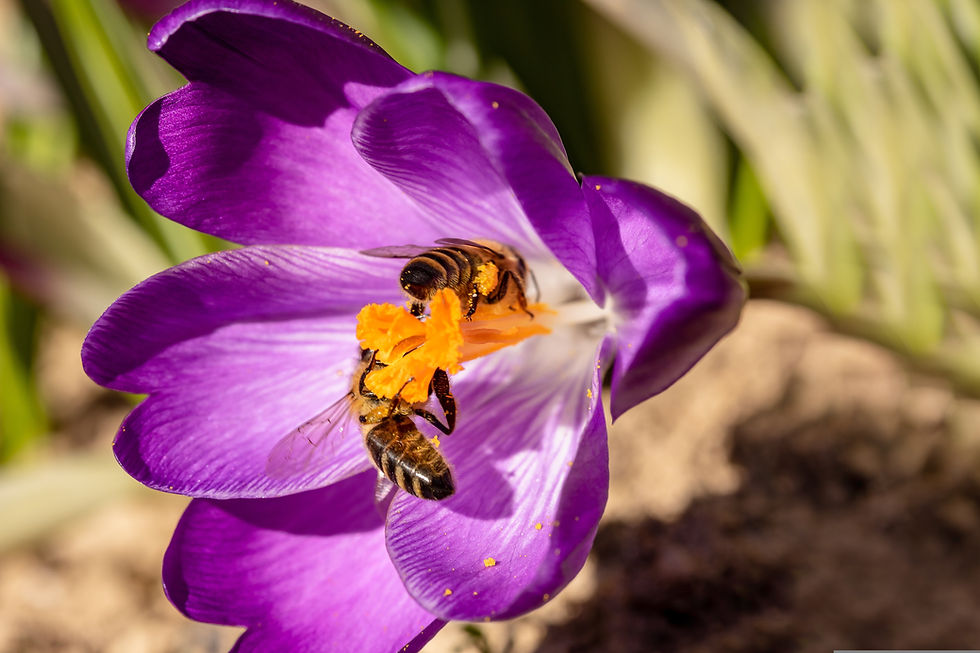
When you’re out enjoying a walk or relaxing in the yard, a bee sting can happen in an instant—and for dog owners, it can be a scary experience. The good news is that most bee stings are minor and can be managed at home if you know what to look for and how to respond.
Dogs are naturally curious, which often leads them to sniff or snap at buzzing insects. Because of this, stings commonly occur on the face, muzzle, or paws. According to the Animal Emergency Service, the first thing you might notice is a sudden yelp, followed by your dog licking, pawing, drooling, or you may notice swelling in the affected area.
If your dog is stung, stay calm and take a close look at the area. According to the American Kennel Club, if you can see a stinger, try to remove it as quickly as possible. The best way to do this is by gently scraping it out with something like a credit card—avoid squeezing it with tweezers, as that can release more venom into the skin.
Once the stinger is removed, you can help reduce discomfort and swelling. Applying a cold compress periodically to the area for 5 to 10 minutes can make a big difference. If the sting is on the paw, you could soak it in cool water. Some pet owners also use a paste made of baking soda and water to help neutralize the sting and soothe the irritation.
If you dog has stepped on a bee, Fetch has some advice on what to do and what not to do afterward.
Keep a close eye on your dog over the next several hours. Mild swelling, redness, and tenderness are normal reactions. However, you’ll want to watch for signs of an allergic reaction. These may include excessive swelling (especially around the face or throat), hives, vomiting, diarrhea, difficulty breathing, or weakness.
If you notice any of these symptoms, seek emergency care immediately.
For mild reactions, your veterinarian may recommend giving an antihistamine like Benadryl, but you should always confirm the proper dosage before giving your dog any medication. Never assume a human dosage is safe for pets.
Prevention also plays an important role. Watch the areas around your house where your dog frequents. In early spring, bees are busy building nests on objects you wouldn’t expect-such as the lip of a recycling bin.
Be mindful of areas where bees are active, especially in warmer months. Keep your yard free of flowering weeds and fallen fruit, which can attract insects. During walks, try to redirect or recall your dog if they show interest in chasing or snapping at bees.
Teaching a reliable “leave it” cue can help prevent your dog from investigating something that could harm them.
While a bee sting is usually more alarming than dangerous, knowing how to respond can help you stay calm and take the right steps quickly. A little preparation goes a long way—and it ensures that a small incident doesn’t turn into an emergency.
***
Beverly Amsler is the owner of The Well-Trained Dog & Pet Care. She has been a professional dog trainer, dog walker, and pet sitter since 2014. Beverly is a Certified Dog Trainer through the Victoria Stilwell Academy and a Certified Professional Pet Sitter through Pet Sitters International. She is a member of the Texas Pet Sitters Association and the Association For Professional Dog Training. Before starting her business, Beverly spent more than 30 years as a journalist for newspapers, magazines, and radio and television stations in Pennsylvania, Maryland, Virginia, Indiana, and Utah. Learn more about Beverly.


Comments